St.Thomas MalayalamUniversity

The St. Thomas Tradition

Rooted in a 2,000-Year Legacy of Faith, Learning, and Light`

Where Ancient Faith Meets Modern Education

Where Ancient Faith Meets Modern Education

Our Heritage Pillars

The Apostolic Arrival

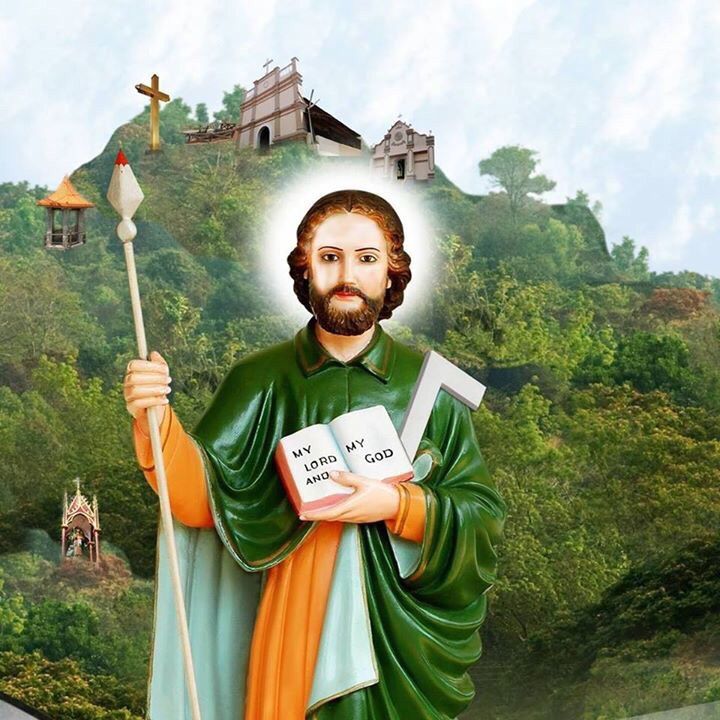
In 52 AD, St. Thomas the Apostle landed at Kodungallur (Cranganore), becoming the first Christian missionary to reach India. His arrival predates the Christianization of most of Europe, making the Kerala church one of the oldest in the world.

The Seven Sacred Churches

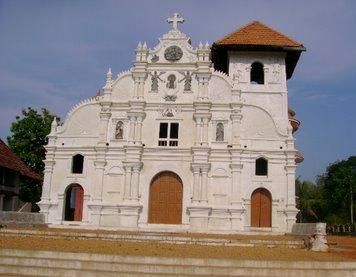
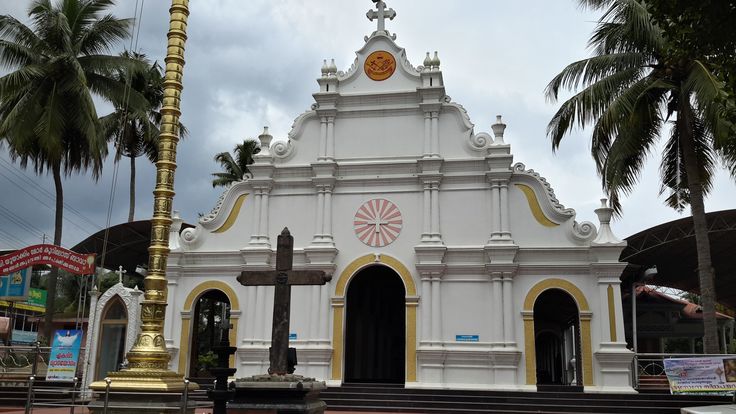
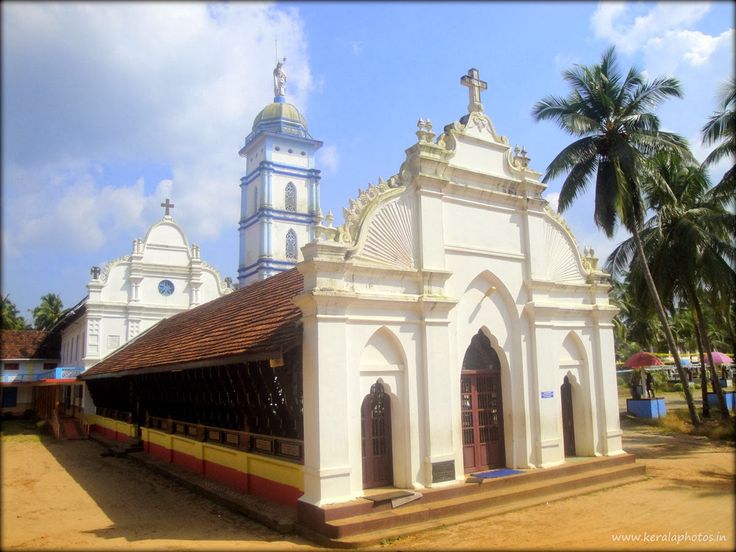
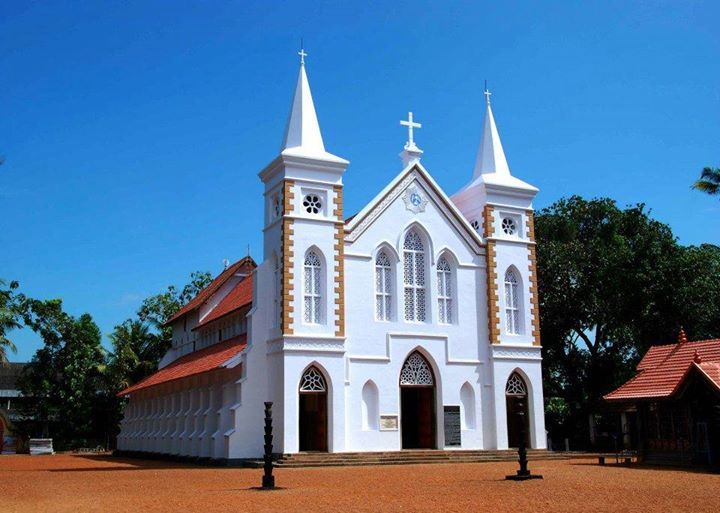
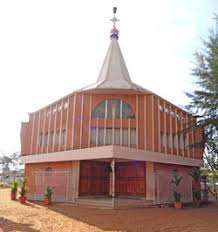
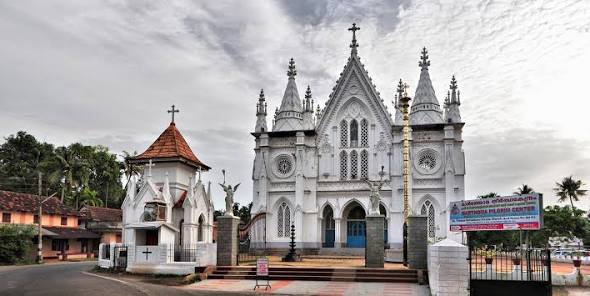
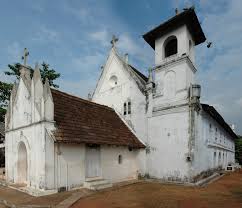
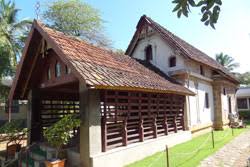
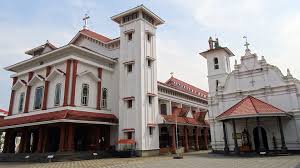
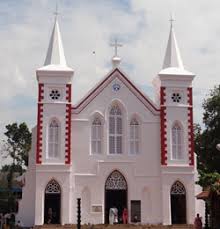
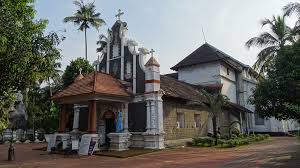
St. Thomas established seven churches across Kerala — Kodungallur, Palayur, Kottakkavu, Kokkamangalam, Niranam, Nilackal (Chayal), and Kollam — known as the "Seven and Half Churches." These foundations became the pillars of Christianity in India.

The Nasrani Heritage

The Saint Thomas Christians, or Nasranis, represent one of the most ancient Christian communities on earth. They preserved the Gospel through centuries of trade, culture, and scholarship, weaving Christianity into the very fabric of Kerala's civilization.

The Syriac Liturgical Tradition

Kerala's ancient Christians adopted the East Syriac liturgical rite — the language closest to the Aramaic spoken by Christ himself. This sacred tradition of worship, chant, and scripture formed a direct spiritual thread from Jerusalem to the Malabar Coast.

The Journey of the Apostle — From Jerusalem to the Malabar Coast
52 AD Arrival in Malabar

The Journey of the Apostle — From Jerusalem to the Malabar Coast

The story begins in Jerusalem, shortly after the Resurrection. Thomas, called Didymus — "the Twin" — was known among the Apostles for his boldness and his hunger for truth. According to ancient tradition recorded in the Acts of Thomas and affirmed by Kerala's own historical memory, Thomas sailed from the port of Muscat along the ancient spice trade route, arriving at Kodungallur (then called Muziris) in 52 AD.
Kodungallur was no remote village — it was one of the greatest trading ports of the ancient world, known to Romans, Greeks, Arabs, and Jews. A Jewish community already resided there, and it was among them that Thomas first proclaimed the Gospel. His message spread rapidly along the coast.
Over the following years, Thomas traveled the length of Kerala, establishing seven churches — each one a beacon of faith in a new land. He ordained priests, baptized thousands, and wove Christian teaching into the existing cultural tapestry of Kerala with remarkable sensitivity. The community he founded became known as the Nasranis, or "people of Nazareth."
Thomas ultimately traveled further east into the Indian subcontinent, and according to tradition, was martyred near Chennai (then Mylapore) around 72 AD, where his remains are venerated at the Basilica of San Thome to this day. But in Kerala, his legacy never departed. The Thomas Christians maintained their faith through the rise and fall of empires, through the arrival of Portuguese missionaries, through colonial upheaval — emerging into the modern era as a testament to the enduring power of the Apostle's first steps on Indian soil.

A Journey Through Time

52 AD
St. Thomas Arrives in Kerala

The Apostle Thomas lands at Kodungallur (Muziris) on the Malabar Coast, beginning his missionary journey in India along the ancient spice trade route.

52–72 AD
The Seven Churches Are Founded

St. Thomas establishes seven churches along the Kerala coast — Kodungallur, Palayur, Kottakkavu, Kokkamangalam, Niranam, Nilackal, and Kollam — laying the foundation of Indian Christianity.

72 AD
Martyrdom of St. Thomas

St. Thomas is martyred near Mylapore (present-day Chennai). His tomb becomes a site of veneration, and the Basilica of San Thome stands there to this day.

345 AD
The Great Migration — Thomas of Cana

A merchant named Thomas of Cana leads a group of 72 Christian families from Mesopotamia to Kerala, strengthening the Nasrani community and reinforcing the Syriac liturgical tradition.

8th-15th C
A Flourishing Community

The Thomas Christians of Kerala thrive as a respected community of merchants, scholars, and warriors. They maintain deep connections to the Patriarch of the East and preserve ancient Syriac manuscripts and liturgical traditions.

1498
Arrival of the Portuguese

Vasco da Gama reaches Kerala, initiating a new chapter. Portuguese missionaries encounter the ancient Thomas Christian community — the first documented Western encounter with India's indigenous Christianity.

1653
The Coonan Cross Oath

In one of history's most dramatic acts of ecclesiastical resistance, thousands of Nasrani Christians swear the Coonan Cross Oath at Mattancherry, asserting their ancient independence from Latin authority.

2026
STMU Carries the Flame

St. Thomas MalayalamUniversity is established as a living continuation of this 2,000-year heritage — forming scholars, leaders, and servants of society in the spirit of the Apostle Thomas.

Key Figures in Our Heritage

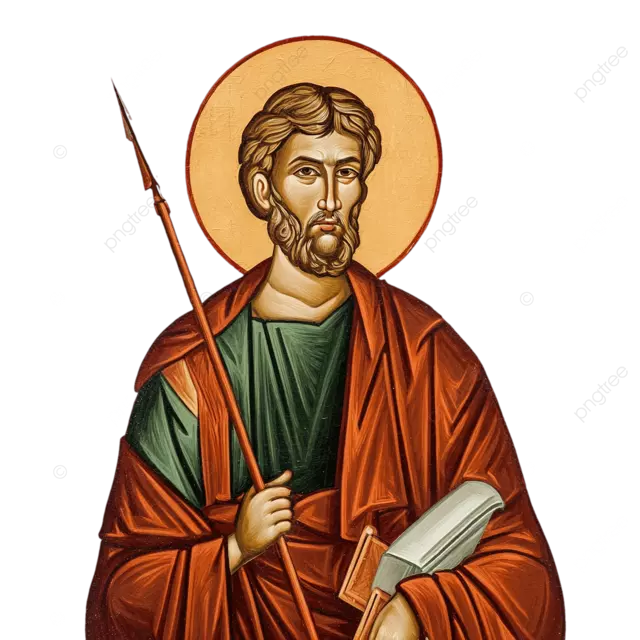
St. Thomas the Apostle

Apostle of Christ | Founder of Indian Christianity

One of the twelve Apostles of Jesus Christ, Thomas brought the Gospel to India in 52 AD. Called "the Twin" (Didymus), he is celebrated for his courageous faith and his legendary journey to the Malabar Coast, where he established the oldest Christian community in Asia.

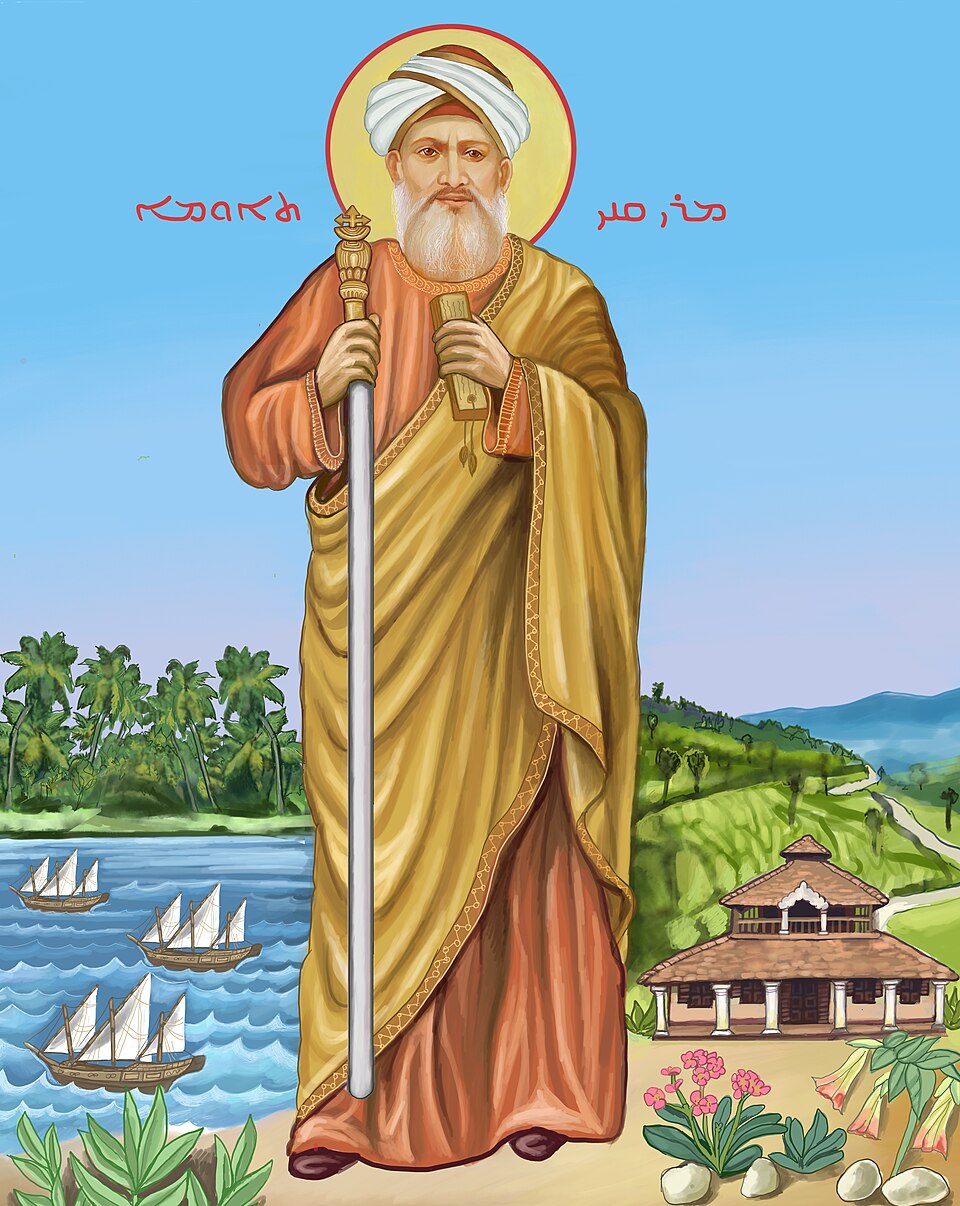
Thomas of Cana (Knai Thoma)

erchant & Leader | 4th Century

A Syrian Christian merchant who led a migration of Christian families from Mesopotamia to Kerala in 345 AD, strengthening the Nasrani community and reinforcing its deep ties to the East Syriac liturgical tradition.

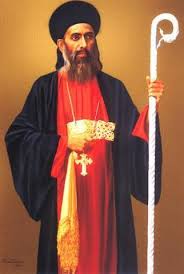
Mar Gregorios of Parumala

Saint & Bishop | 1848–1902

The first Indian to be canonized as a saint in the Oriental Orthodox tradition, Mar Gregorios embodied the spiritual depth and compassionate service that characterizes the Kerala Christian heritage. His life remains an inspiration to STMU's mission of holistic education.

I was not sent only to one nation. The Lord called me to carry His message to the ends of the earth — and so I came to the land where spices meet the sea

— Inspired by the legacy of St. Thomas the Apostle, 52 AD

Heritage for Generations

St.Thomas MalayalamUniversity is a 501(c)(3) nonprofit religious organization dedicated to the preservation of Mar Thoma Christian heritage, the Malayalam language, and the cultural legacy of Kerala's St. Thomas Christian community

Contact Us

St. Thomas Malayalam University  |  A Project of St. Thomas Malayalam University INC  |  501(c)(3) Nonprofit  |  EIN: 33-1423202  |  Orlando, Florida, USA  |  Non-Accredited Religious Institution  |  Ecclesiastical Degrees Only